
← Back to Blogs

The Ultimate Guide: How to Maintain Your Brownstone Building Year-Round

Owning a brownstone is like owning a piece of history. Whether you are in Brooklyn, Manhattan, or Jersey City, these iconic sandstone structures require specialized care to prevent the "spalling" (flaking) and erosion that often plagues older masonry.

To preserve the structural integrity and aesthetic charm of your property, follow this seasonal maintenance checklist tailored for the unique needs of historical landmarks.

The Ultimate Guide: How to Maintain Your Brownstone Building Year-Round

Spring: The Detailed Inspection

Spring is the most critical time for brownstone owners. After a harsh winter of freeze-thaw cycles, your priority is identifying water infiltration points.

  • Check for Spalling: Look for areas where the brownstone surface is flaking off. This is usually caused by water getting trapped behind the stone.
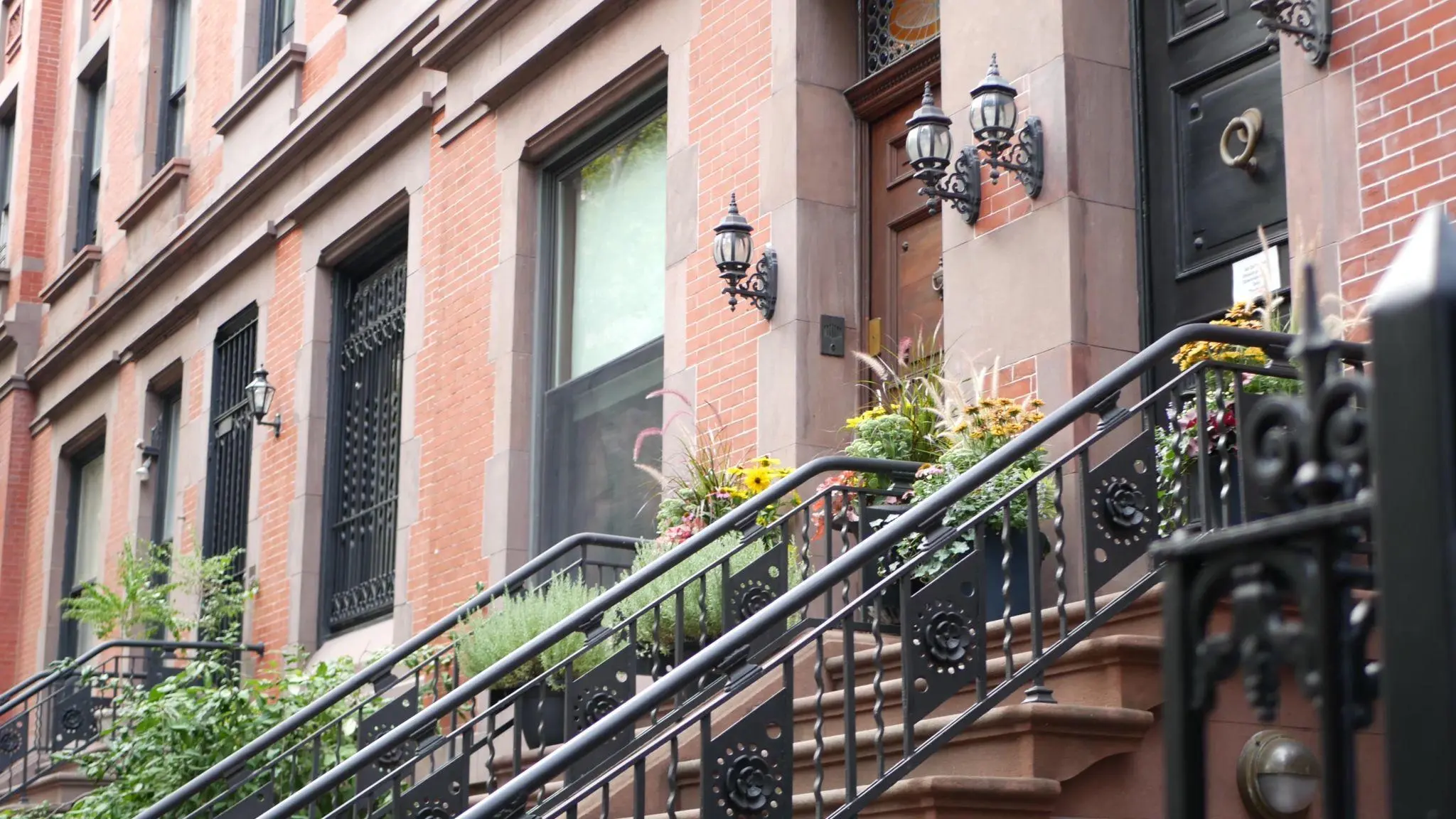
  • Inspect the Stoop: The stoop is often the first area to show cracks. Early intervention can prevent a full (and expensive) rebuild.
  • Window Caulking: Inspect the seals around your windows. Replacing old caulk prevents spring rain from reaching the soft interior masonry.

If you notice significant stone loss, it may be time to consult experts in historical landmark restoration to ensure the materials used match the original chemical composition of the stone.

Summer: Masonry and Roof Care

The dry summer heat is the ideal window for "wet work" like pointing and patching.

  • Repointing (Tuckpointing): If the mortar between your stones is crumbling, it needs to be replaced. Ensure your contractor uses lime-based mortar, as modern Portland cement is too hard for brownstone and will cause the stone to crack.
  • Roof and Cornice Check: Brownstones often have flat roofs and ornate metal cornices. Summer is the time to scrape and paint the cornice to prevent rust and to check the roof membrane for heat-induced blistering.

Fall: Water Management

In the autumn, your goal is to keep water flowing away from the building. Brownstone is incredibly porous; if it stays wet, it will degrade.

  • Gutter Cleaning: Clogged gutters lead to water overflowing directly onto the facade. This is the primary cause of brownstone erosion.
  • Check the Parapet: Ensure the top of your building's wall is sealed. A leaky parapet allows water to seep down inside the walls, causing hidden damage.
  • Boiler Service: While not part of the stone, a well-maintained heating system prevents internal condensation that can affect your exterior walls.

Winter: Protection and Prevention

Winter is about mitigating the damage caused by ice and salt.

  • Avoid De-Icing Salts: Never use traditional rock salt (sodium chloride) on brownstone steps or sidewalks. The chemicals react with the stone, causing it to disintegrate rapidly. Use sand or calcium magnesium acetate (CMA) instead.
  • Monitor Interior Moisture: If you notice peeling paint on the inside of your exterior walls, it’s a sign that the stone is "breathing" out moisture.

Why Specialized Care Matters

Brownstone is a delicate material. Many owners make the mistake of using DIY patches or waterproof sealants that actually trap moisture inside, causing the stone to explode from the inside out.

For any repairs involving your building's facade, always work with a contractor who specializes in historical landmark preservation to maintain the property’s value and heritage.