
← Back to Blogs

Brick Pointing - An Extensive Guide

Brick pointing, also known as repointing, is the process of repairing or replacing the mortar joints between bricks or stone masonry. Mortar is the material that binds bricks together and provides structural strength to a building. Over time, mortar joints can deteriorate due to exposure to weather, moisture, temperature changes, and natural aging.

When mortar becomes cracked, loose, or damaged, the strength of the brickwork may weaken and allow water to penetrate the structure. This can lead to problems such as leaks, mold growth, or structural damage. Brick pointing restores the strength and durability of masonry by removing the deteriorated mortar and replacing it with fresh mortar.

The process begins by carefully preparing the brick surface and removing any loose or damaged mortar from the joints. Once the joints are cleaned, new mortar is mixed according to the requirements of the brick structure. The fresh mortar is then applied between the bricks and shaped to match the surrounding masonry, creating a smooth and durable finish that protects the building for years.
Brick Pointing - An Extensive Guide

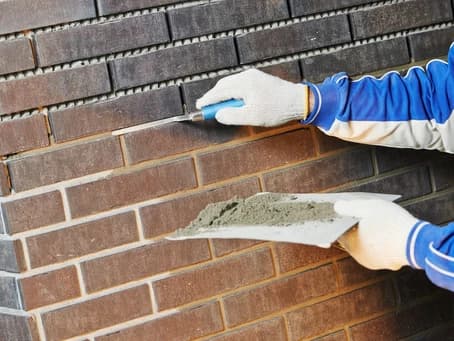
After the mortar is prepared, it is carefully applied into the brick joints using a masonry trowel. The mortar must be pressed firmly into the joints to ensure strong bonding and proper sealing. Once applied, the mortar is smoothed and shaped so that it blends evenly with the surrounding brickwork.

One of the biggest benefits of brick pointing is protection against weather damage. Mortar joints act as the first line of defense against rain, wind, and moisture. When the mortar becomes worn or cracked, water can enter the brick structure and cause serious issues such as leaks, dampness, or mold growth inside the building.

Repointing helps prevent these problems by sealing the gaps between bricks and restoring the strength of the masonry. By replacing damaged mortar, homeowners can protect their property from long-term damage and extend the lifespan of the brickwork.

Brick pointing also improves the appearance of a home or commercial building. Old mortar joints often become discolored, cracked, or uneven over time, which can make the structure look aged or poorly maintained. Repointing replaces the worn mortar with fresh material, giving the brickwork a clean and refreshed look.

In addition to improving durability and appearance, brick pointing can also increase energy efficiency. Damaged mortar joints can allow air to leak into or out of a building, which affects insulation and increases heating or cooling costs. Properly sealed brick joints help maintain indoor temperature and reduce energy loss.

Finally, maintaining strong mortar joints is important for the safety of the structure. Weak mortar can compromise the stability of brickwork, especially in older buildings or high-traffic areas. Repointing strengthens the masonry and helps ensure that the structure remains safe and secure.

Process of Brick Pointing:

Brick pointing is a detailed and skilled process that requires proper tools, experience, and attention to detail. Below is a general step-by-step overview of how brick pointing is performed:

1. Preparation:
The first step involves preparing the brick surface. Loose or damaged mortar is carefully removed from the joints using specialized tools such as grinders, chisels, or wire brushes. Cleaning the joints ensures that the new mortar will bond properly with the brickwork.

2. Mixing Mortar:
Mortar is created by mixing sand, cement, and water in specific proportions. The mixture must match the strength and color of the existing mortar to maintain structural integrity and visual consistency.

3. Applying Mortar:
Once mixed, the mortar is applied into the cleaned joints using a trowel or pointing tool. The material is pressed firmly into the spaces between the bricks to ensure durability and proper bonding.

4. Finishing:
After the mortar is applied, the joints are finished using a jointer or striking tool. This shapes the mortar to match the surrounding brickwork and creates a smooth, professional appearance.

The Importance of Brick Pointing:

Brick pointing plays a critical role in maintaining the strength and longevity of brick structures. Properly maintained mortar joints help protect buildings from environmental damage and structural problems.

1. Protection:
Brick pointing protects the masonry from rain, moisture, and weather exposure. Well-maintained mortar prevents water from entering the structure and reduces the risk of internal damage.

2. Appearance:
Repointing improves the overall look of a property by replacing old, cracked, or discolored mortar with fresh material. This instantly refreshes the appearance of brickwork.

3. Energy Efficiency:
Sealed mortar joints reduce air leaks and improve insulation. This helps maintain indoor temperature and may reduce heating and cooling costs.

4. Safety:
Damaged mortar can weaken brick structures over time. Repointing strengthens the masonry and helps maintain the safety and stability of the building.

Tips for Maintaining Brickwork:

Proper maintenance can help extend the life of brick structures and reduce the need for major repairs. Consider the following tips for keeping your brickwork in good condition:

1. Clean Regularly:
Dirt, mold, and mildew can accumulate on brick surfaces. Regular cleaning using a gentle detergent or pressure washer can help keep brickwork looking clean and well maintained.

2. Inspect Regularly:
Periodic inspections allow you to identify cracks, damaged mortar, or other issues early. Addressing problems quickly prevents larger and more expensive repairs later.

3. Repair Damage Promptly:
Small mortar cracks or loose joints should be repaired as soon as they appear. Early repairs can prevent water damage and structural issues.

4. Hire a Professional:
While minor repairs may be possible for homeowners, professional masonry contractors have the expertise and equipment needed to perform high-quality brick pointing safely and effectively.

Conclusion:

Brick pointing is an essential maintenance process that helps protect the structural integrity and appearance of brick buildings. By replacing damaged mortar joints, repointing prevents water intrusion, improves energy efficiency, enhances curb appeal, and maintains the safety of the structure.

If you notice cracked, loose, or deteriorating mortar in your brickwork, addressing the issue early can prevent more serious damage. Hiring an experienced brick pointing professional ensures the repair is completed correctly and extends the life of your masonry for many years.
   Brick Pointing - An Extensive Guide